Eat Mor Chikin Study Finds Most Indemand Food Chain In SC Is Chick
Growing Demand for Meat Alternatives in AsiaPacific GlobalData
Cover Growing Demand for Meat Alternatives in AsiaPacific GlobalData (2033x777)
Table of Contents
- Why is there a growing demand for meat alternatives in Asia?
- What are the most popular meat alternatives in Asia?
- How are meat alternatives perceived in Asian culture?
- What are the environmental benefits of choosing meat alternatives in Asia?
- What challenges do meat alternative companies face in Asia?
Why is there a growing demand for meat alternatives in Asia?
Asia has experienced rapid economic growth and urbanization in recent decades, leading to changes in dietary patterns and increased demand for meat. However, this increased meat consumption has raised concerns about health, sustainability, and animal welfare. As a result, many people in Asia are turning to meat alternatives as a way to address these concerns.
One of the main reasons for the growing demand for meat alternatives in Asia is health consciousness. People are becoming more aware of the negative health effects associated with excessive meat consumption, such as increased risk of heart disease, obesity, and certain types of cancer. Meat alternatives, which are often plant-based and lower in saturated fat and cholesterol, are seen as healthier alternatives to traditional meat products.
Another factor driving the demand for meat alternatives in Asia is sustainability. The meat industry is a significant contributor to greenhouse gas emissions, deforestation, and water pollution. By choosing meat alternatives, individuals can reduce their environmental footprint and contribute to a more sustainable food system.
Furthermore, cultural and religious factors also play a role in the demand for meat alternatives in Asia. Many Asian cultures have a long history of vegetarian and vegan diets, influenced by religious beliefs such as Buddhism and Jainism. As such, there is already a cultural acceptance and familiarity with plant-based foods, making the transition to meat alternatives easier for some individuals.
In summary, the growing demand for meat alternatives in Asia can be attributed to health consciousness, sustainability concerns, and cultural factors. As more people become aware of the benefits of meat alternatives, the market for these products is expected to continue to expand.
What are the most popular meat alternatives in Asia?
The popularity of meat alternatives in Asia has led to the development of a wide range of products catering to different dietary preferences and cultural tastes. Here are some of the most popular meat alternatives in the region:
1. Tofu: Tofu, also known as bean curd, is a versatile soy-based product that has been a staple in Asian cuisine for centuries. It is a popular meat substitute due to its high protein content and ability to absorb flavors. Tofu can be used in stir-fries, soups, and even desserts.
2. Tempeh: Tempeh is a fermented soybean product that originated in Indonesia. It has a nutty flavor and a firm texture, making it suitable for grilling, frying, or marinating. Tempeh is rich in protein, fiber, and probiotics, making it a nutritious alternative to meat.
3. Seitan: Seitan, also known as wheat gluten, is a protein-rich meat substitute commonly used in East Asian cuisines such as Chinese, Japanese, and Korean. It has a chewy texture and can be seasoned to mimic the flavor of meat. Seitan is often used in stir-fries, stews, and dumplings.
4. Plant-based meat substitutes: With the rise of technology and innovation, plant-based meat substitutes have gained popularity in Asia. These products are often made from ingredients such as soy, peas, or mushrooms and are designed to closely resemble the taste and texture of meat. They can be used in burgers, sausages, and other meat-based dishes.
5. Jackfruit: Jackfruit is a tropical fruit that has gained popularity as a meat substitute in Asian cuisines. When cooked, the texture of ripe jackfruit resembles pulled pork or shredded chicken. It is often used in curries, stews, and sandwiches.
These are just a few examples of the popular meat alternatives in Asia. The variety and availability of meat substitutes continue to grow, providing consumers with more options to incorporate plant-based alternatives into their diets.
How are meat alternatives perceived in Asian culture?
The perception of meat alternatives in Asian culture varies depending on factors such as region, religion, and personal beliefs. While some Asian cultures have a long history of vegetarianism and are more accepting of meat alternatives, others may view these products with skepticism or resistance.
In countries like India, where vegetarianism is deeply rooted in religious and cultural traditions, meat alternatives are generally well-received. Vegetarianism is practiced by a significant portion of the population, and plant-based alternatives such as tofu, tempeh, and seitan have been part of the cuisine for centuries.
In East Asian countries like China, Japan, and South Korea, the perception of meat alternatives is more mixed. While tofu and other soy-based products have been widely consumed for generations, the concept of plant-based meat substitutes is still relatively new. However, with the rise of health and sustainability concerns, more people are open to trying and incorporating meat alternatives into their diets.
In Southeast Asian countries such as Thailand and Indonesia, where meat is often a central component of traditional dishes, the acceptance of meat alternatives may vary. However, as more people become aware of the environmental and health benefits of reducing meat consumption, there is a growing interest in exploring alternative options.
Overall, the perception of meat alternatives in Asian culture is evolving. As sustainability and health concerns continue to gain prominence, the acceptance and adoption of meat alternatives are expected to increase in the coming years.
What are the environmental benefits of choosing meat alternatives in Asia?
Choosing meat alternatives in Asia can have several environmental benefits, contributing to a more sustainable food system. Here are some of the key environmental advantages:
1. Reduced greenhouse gas emissions: The meat industry is a significant contributor to greenhouse gas emissions, particularly methane from livestock production. By choosing meat alternatives, individuals can significantly reduce their carbon footprint. Plant-based alternatives have a much lower emissions footprint compared to conventional meat products.
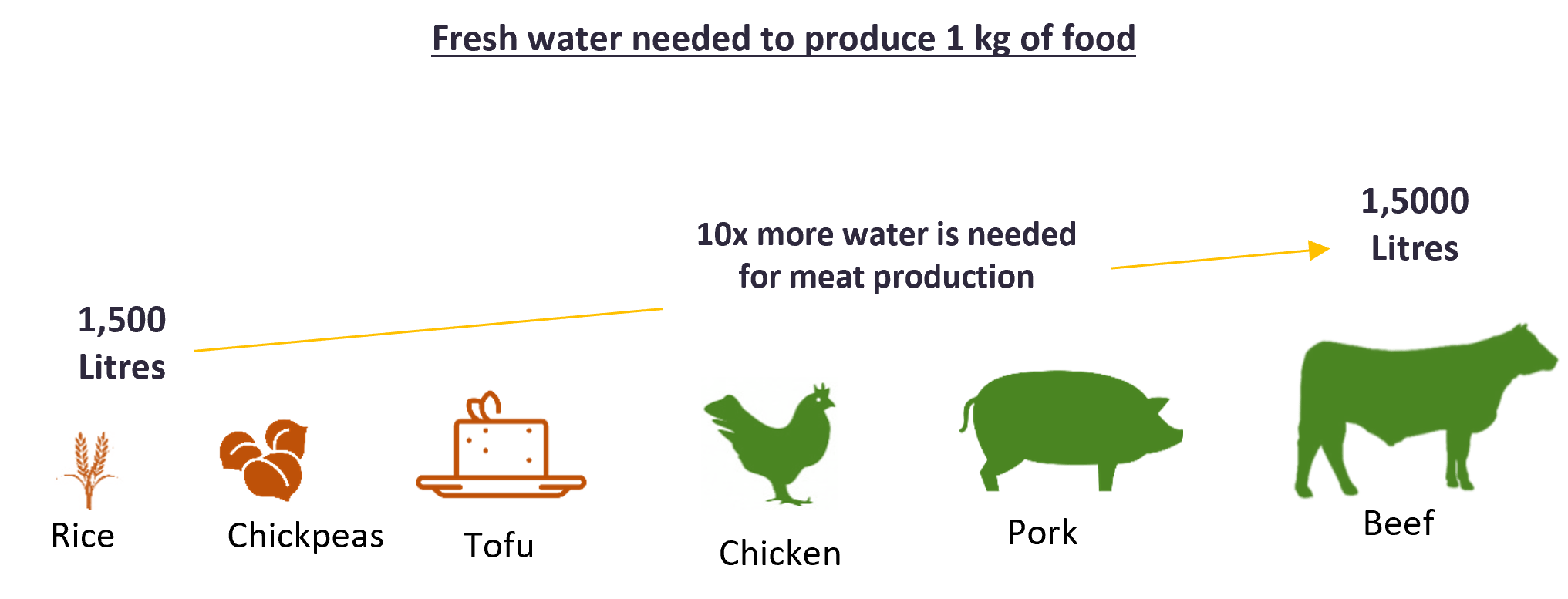
2. Conservation of natural resources: Meat production requires large amounts of land, water, and feed. By shifting to meat alternatives, less land is needed for animal agriculture, reducing deforestation and habitat destruction. Additionally, plant-based alternatives generally require less water and other resources compared to meat production.
3. Preservation of biodiversity: The expansion of livestock farming often leads to the destruction of natural habitats, resulting in the loss of biodiversity. By reducing meat consumption and opting for alternatives, individuals can contribute to the preservation of ecosystems and the protection of endangered species.
4. Decreased water pollution: Livestock farming is a major source of water pollution due to the discharge of animal waste and excessive use of fertilizers and pesticides. By choosing meat alternatives, the demand for intensive animal farming practices decreases, leading to a reduction in water pollution and the preservation of water resources.
5. Mitigation of antibiotic resistance: The overuse of antibiotics in animal agriculture contributes to the rise of antibiotic-resistant bacteria, posing a significant threat to human health. Meat alternatives do not require the use of antibiotics, reducing the risk of antibiotic resistance and promoting public health.
These environmental benefits highlight the importance of choosing meat alternatives in Asia to address the sustainability challenges associated with traditional meat consumption. By making conscious choices, individuals can contribute to a more environmentally friendly and resilient food system.
What challenges do meat alternative companies face in Asia?
While the demand for meat alternatives in Asia is growing, companies in this industry also face various challenges. These challenges include:
1. Cultural preferences and taste preferences: Asia is a diverse continent with a wide range of culinary traditions and tastes. Meat alternative companies need to understand and cater to these preferences to successfully penetrate the market. Some consumers may be resistant to new flavors and textures, making it challenging to attract a large customer base.
2. High competition: The market for meat alternatives in Asia is becoming increasingly competitive, with both local and international companies vying for market share. Companies need to differentiate themselves through product quality, innovation, and marketing strategies to stand out in this crowded market.
3. Price competitiveness: Price is a significant factor for many consumers in Asia. Meat alternatives, especially those made from innovative technologies, tend to be more expensive than traditional meat products. Making meat alternatives affordable and accessible to a wider range of consumers can be a challenge for companies.
4. Limited distribution networks: Establishing distribution networks for meat alternative products can be challenging, particularly in regions with underdeveloped infrastructure. Access to retail channels, cold storage facilities, and transportation networks is crucial for reaching consumers effectively.
5. Regulatory barriers: Meat alternative companies may face regulatory challenges in terms of labeling, food safety standards, and certification requirements. Navigating the complex regulatory landscape can be time-consuming and costly for companies, particularly those operating across multiple countries in Asia.
Despite these challenges, the growing demand for meat alternatives in Asia presents significant opportunities for companies in this industry. By addressing these challenges and continuously innovating, meat alternative companies can thrive and contribute

Post a Comment for "Eat Mor Chikin Study Finds Most Indemand Food Chain In SC Is Chick"